Scientists have identified a decades-old chemical compound as a promising new candidate for treating obesity and related metabolic diseases.

TOFA helps cells burn extra energy with no change in food intake or exercise. Image credit: Kravaivan11.
Over the past five years, medications called GLP-1s have revolutionized the treatment of metabolic disorders like obesity, diabetes and fatty liver diseases.
Sold under the brand names Ozempic, Wegovy, Mounjaro and Zepbound, these drugs are highly effective at helping people lose weight and manage their blood sugar levels.
However, they do come with some risks. Some people taking GLP-1s experience nausea and other gastrointestinal side effects that can be difficult to manage.
And, by suppressing appetite and reducing food intake, they have the potential to cause nutritional deficiencies and muscle loss, which can lead to frailty and other problems long term.
“Body weight responds to two levers: taking in fewer calories, or spending more energy,” said University of California, Berkeley’s Professor Anders Näär, senior author of a new study.
“GLP-1s work almost entirely on the first, so we went after the second.”
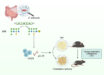
In the study, Professor Näär and his colleagues focused on an orally bioavailable molecular compound called 5-tetradecyloxy-2-furoic acid (TOFA).
The compound was first studied in the 1970s and 1980s as an inhibitor of fat-producing enzymes, but was never tested for its broader effects on obesity or evaluated in humans.
In the new experiments in mice, TOFA produced dramatic results: an average 18% reduction in body weight, improved blood sugar control, and marked improvement in fatty liver disease — all without suppressing appetite or causing muscle loss.
Notably, the drug avoided a dangerous side effect — spiking blood triglycerides — that has undermined other drugs in its class.
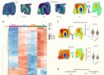
The researchers traced this to an unexpected second mechanism: TOFA also activates proteins called PPAR receptors, which regulate the body’s energy-burning processes.
“TOFA appears to engage a coordinated metabolic response,” said first author Dr. Justin Lee, a researcher at the University of California, Berkeley.
“It is not simply blocking lipid synthesis. It is also activating energy expenditure pathways that may help the body handle excess lipid and glucose more effectively.”
When combined with popular weight-loss drugs semaglutide (Ozempic) and tirzepatide (Zepbound), TOFA produced even greater weight loss than either drug alone.
Mice given TOFA also kept weight off longer after treatment stopped, compared to those on semaglutide, which the scientists attribute to its distinct mechanism of targeting energy use rather than food intake.
The authors caution that safety and dosing in humans still need to be established before any clinical trials could begin.
“In our combination experiments, TOFA worked additively or synergistically with the GLP-1 appetite suppressing drugs, so we view it as complementary rather than as a replacement,” Professor Näär said.
The findings appear in the journal Science Advances.
_____
Justin Y. Lee et al. 2026. A multi-functional oral small molecule targeting energy and lipid metabolism to treat obesity and related metabolic disorders. Science Advances 12 (34); doi: 10.1126/sciadv.aed3119